Nigerian Research, Built for Industry.
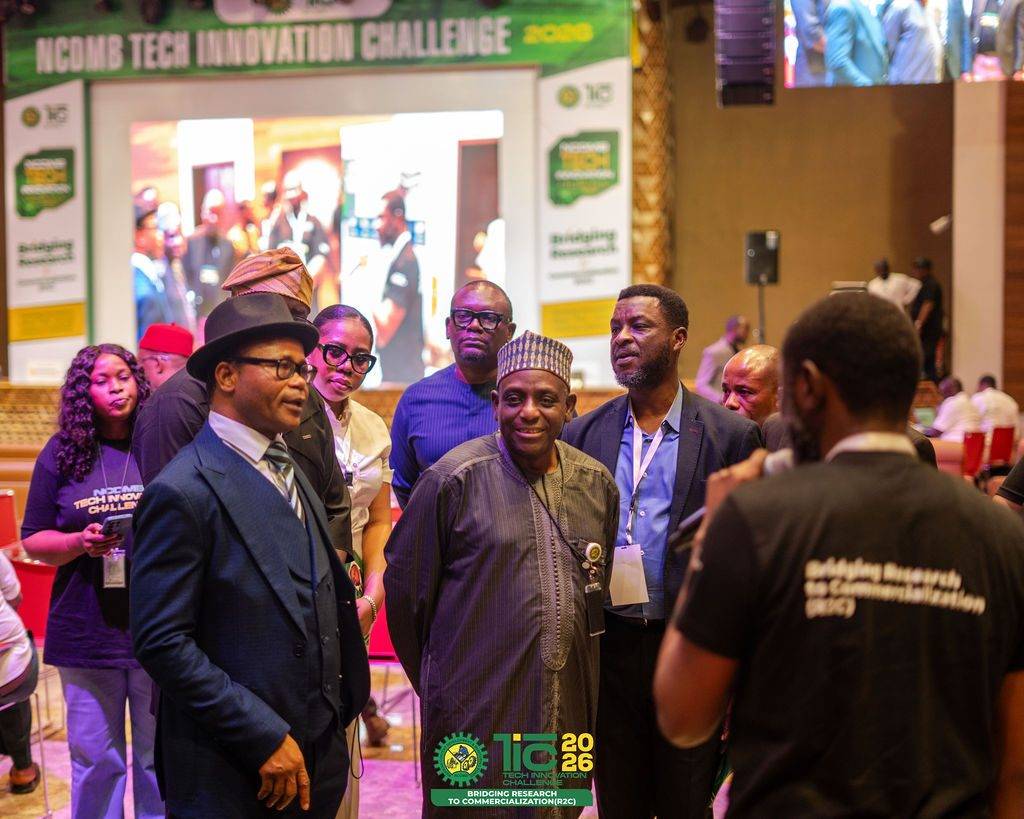
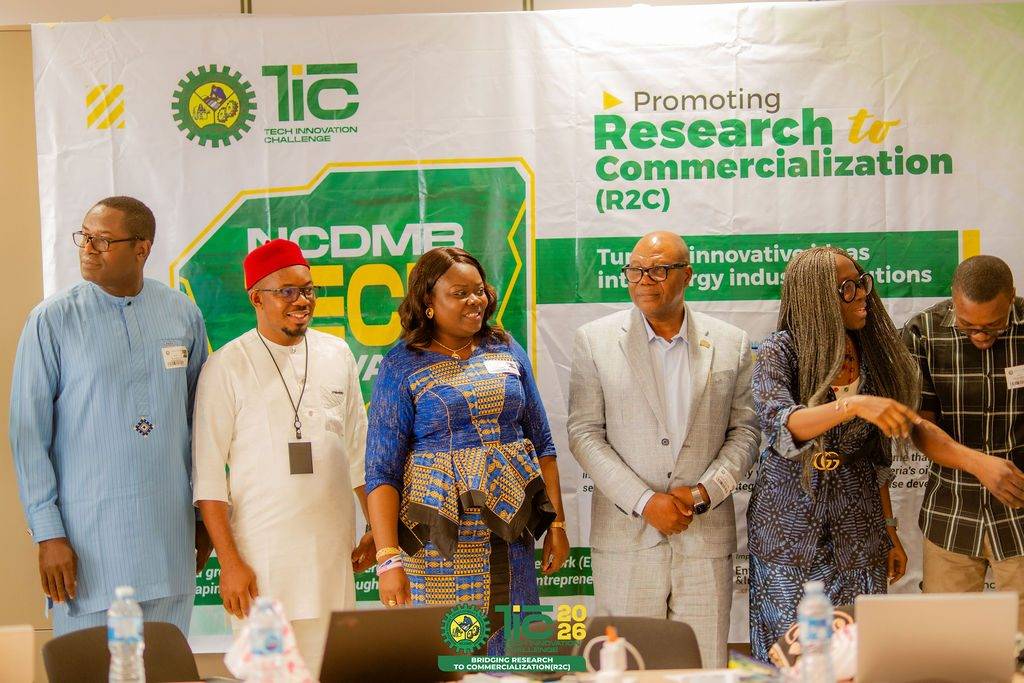
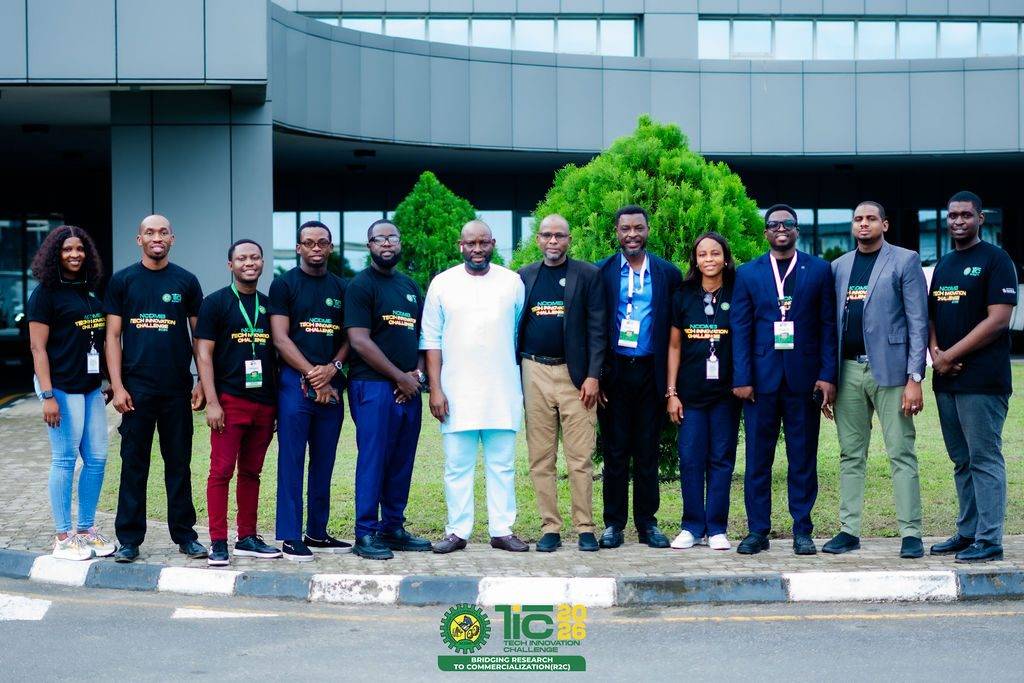
The NCDMB Tech Innovation Challenge takes technologies from Nigerian universities, research institutes and young founders to market in oil, gas and their linkage sectors. Fifteen finalists completed the maiden edition in 2026. NCDMB TIC 2027 is confirmed.
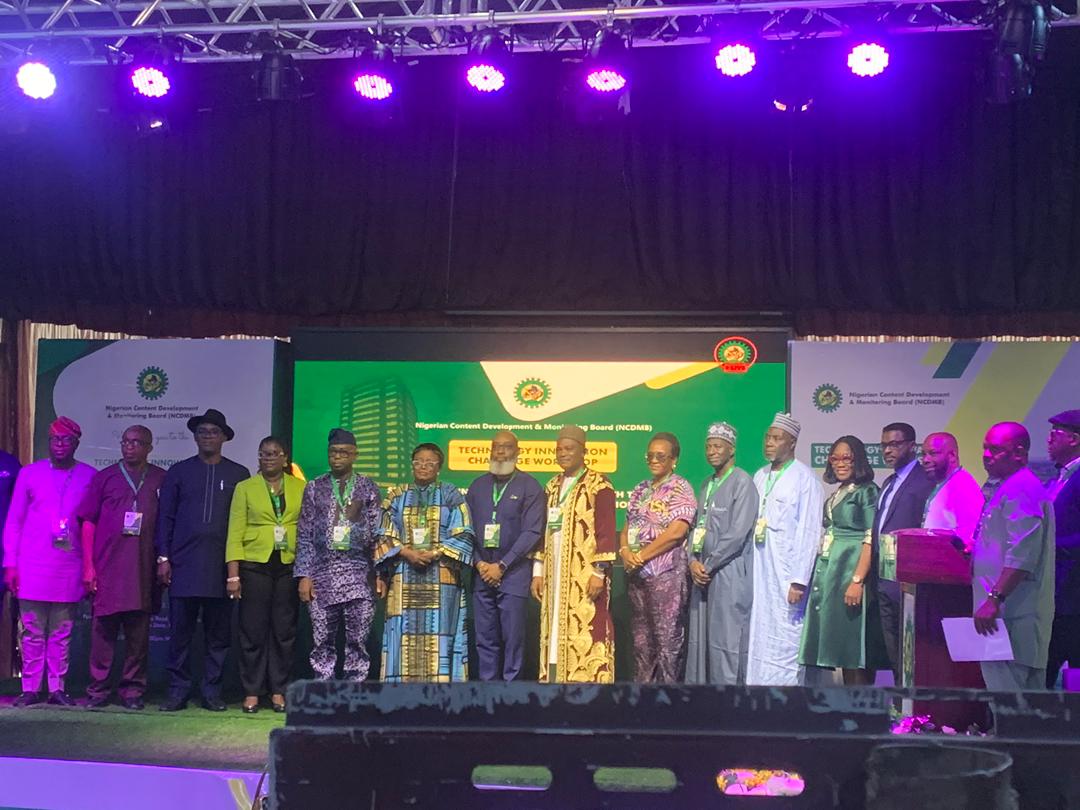
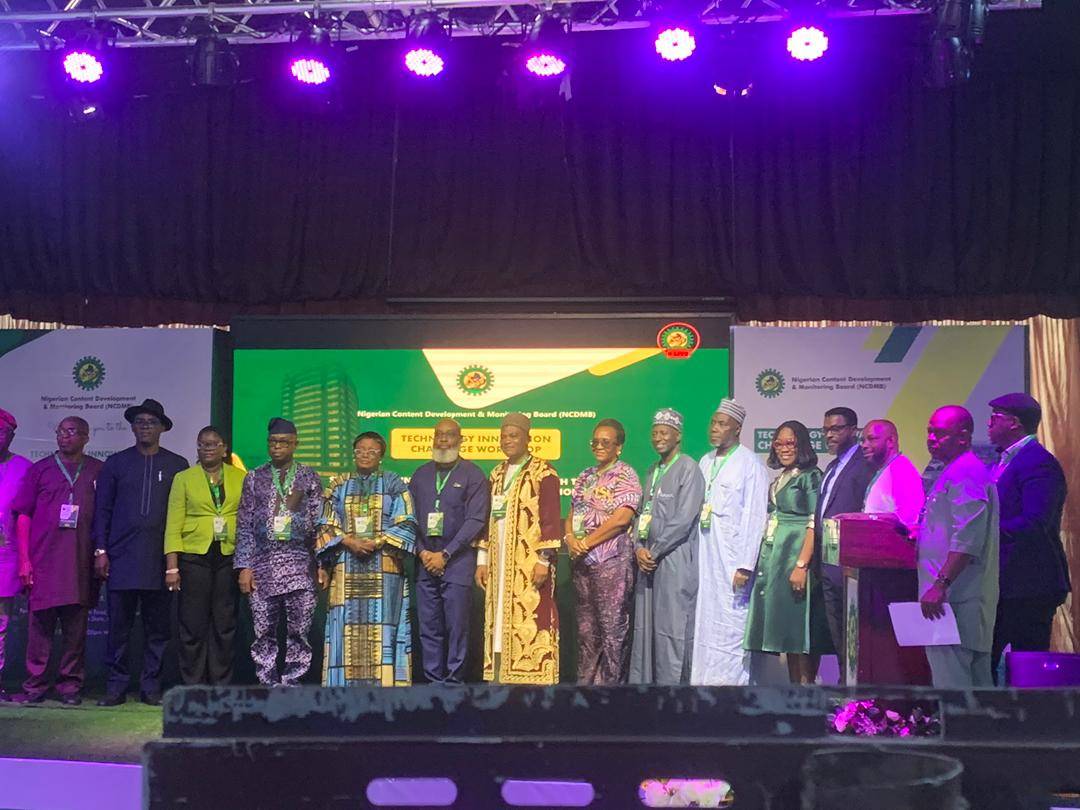
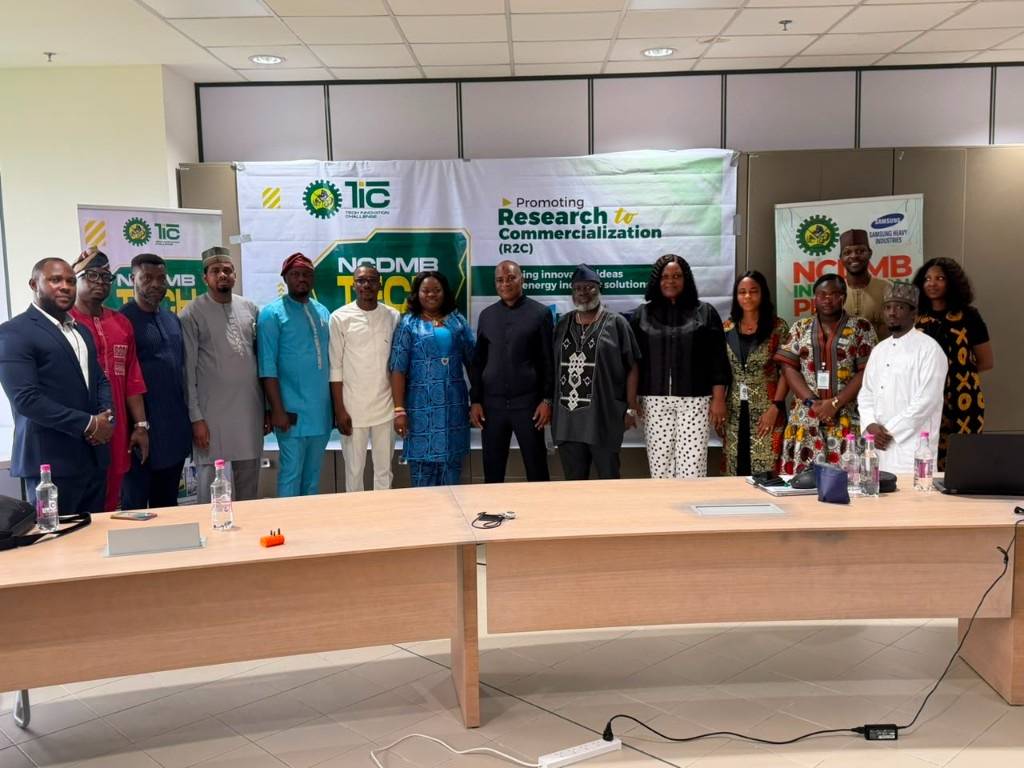
NCDMB TIC 2026, From Workshop to Incubation
The Full 2026 Edition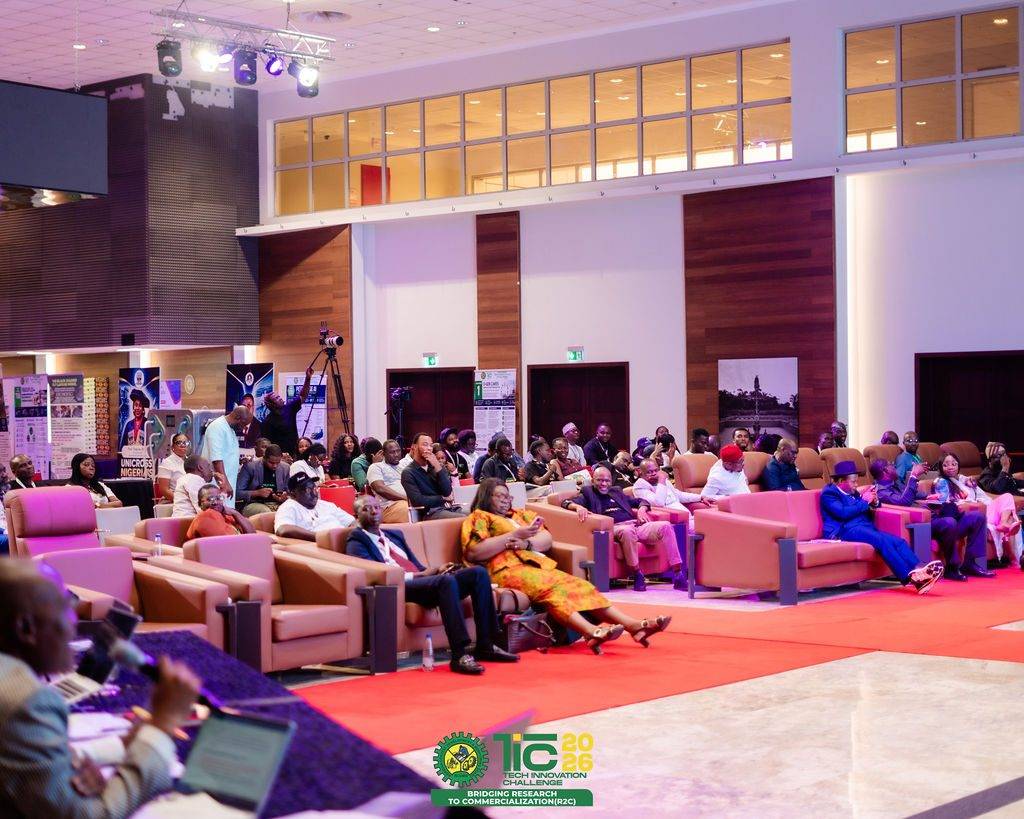
From the Lab Bench to the Rig Floor
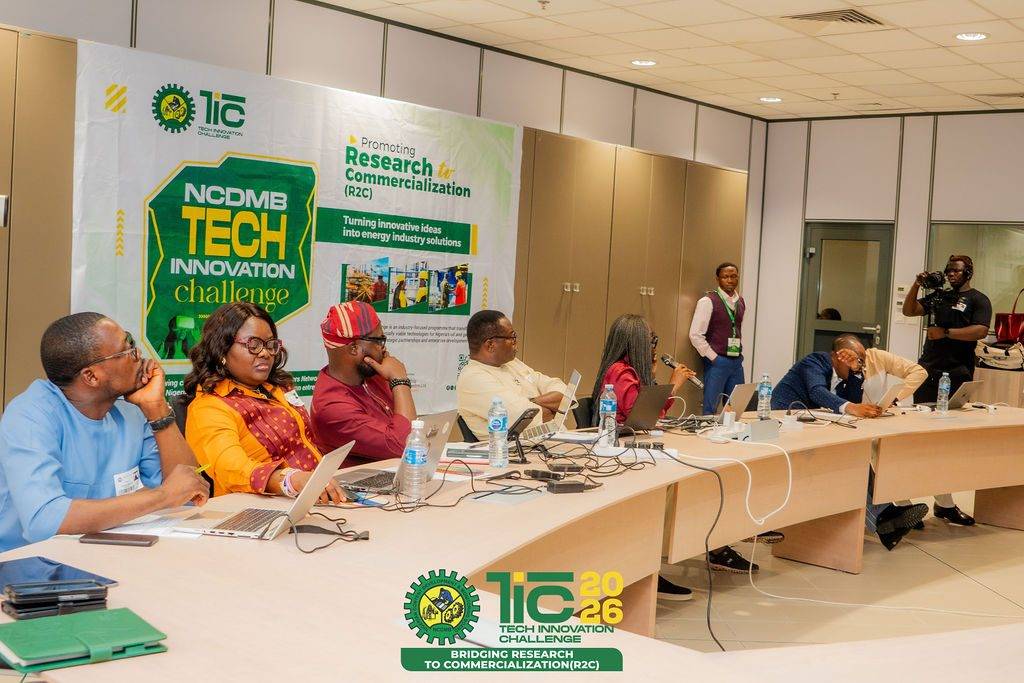
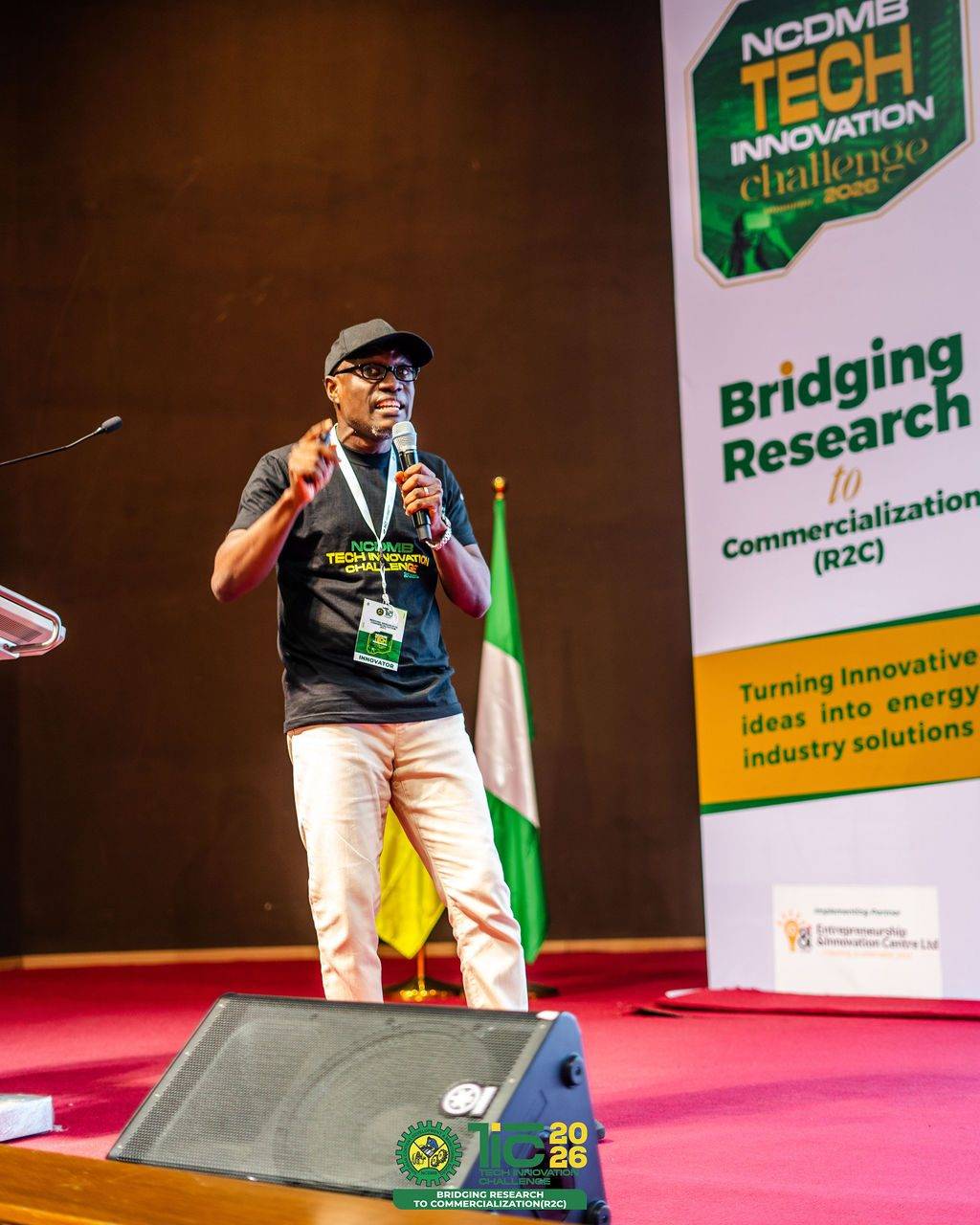
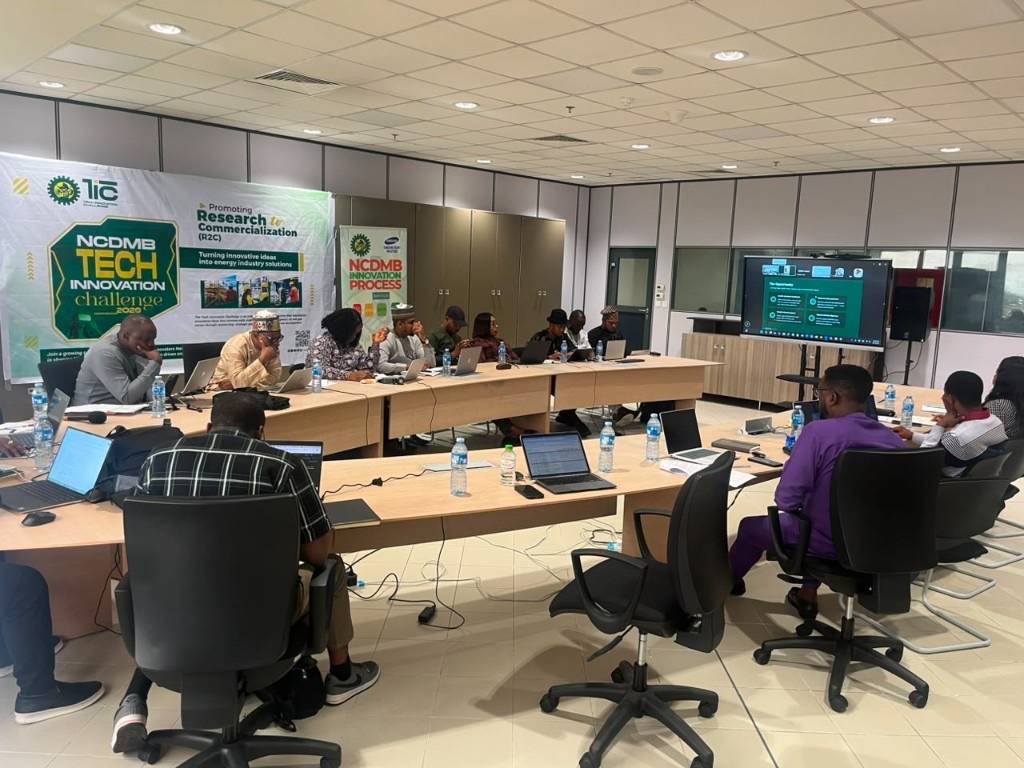
Good research too often stops at the paper. NCDMB TIC gives Nigerian innovators the structure to finish the job: screening against real industry problems, live pitching to an expert panel, mentorship, a commercialisation bootcamp and, for the winners, incubation.
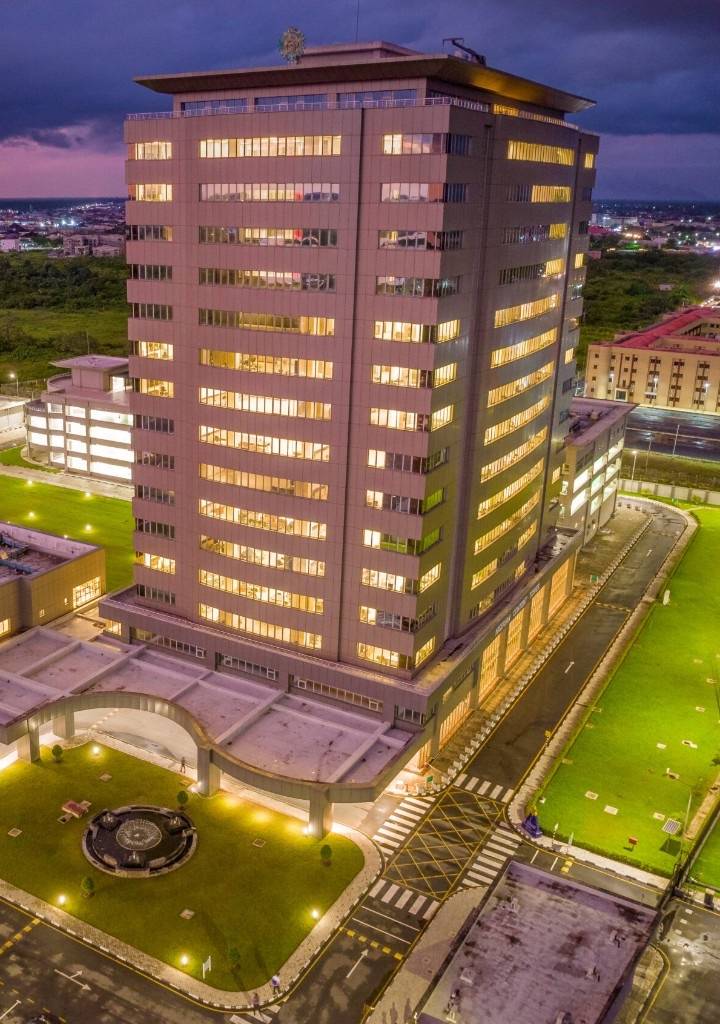
It is a flagship programme of the Nigerian Content Development & Monitoring Board, delivered by Entrepreneurship & Innovation Centre Ltd, and open to universities, research institutes, startups and industry suppliers.
Fifteen Technologies Made It to the Finale
Each team came through screening, live judging, mentorship and the bootcamp, then competed through three rounds of live judging at NCDMB Towers in August 2026. Open any one to read what they built.

Environmental Remediation
Modular Capture-to-Treatment System: A Carbon-Assisted Water Remediation Solution for Nigerian Onshore Assets
Obsidian Gas and Energy Nig. Limited
O-GEN has engineered a skid-mounted modular unit that addresses gas flaring and produced water treatment simultaneously. It captures CO₂ from flared gas and injects it into alkaline produced water, naturally neutralising the water's pH, reducing the need for imported chemicals, and rendering the water clean enough for controlled discharge or dry-season irrigation. A pilot is planned for the Eremor Marginal Field, Bayelsa State.

Health
BMV-6 Medical Ventilator
Nigeria Content and Sustainable Technology (Nicost), University of Cross River State
Babson Ajibade has designed and built a locally-made medical ventilator, the BMV-6, capable of independently ventilating up to six patients (newborns, children, and adults) simultaneously using a single machine. It runs on 24V DC power, can be powered by solar or wind energy, and has a built-in battery providing 33 hours of operation during outages. The touchscreen interface operates in Hausa, Igbo, Yoruba, Efik, Pidgin English, and English.

Energy, Power & Hydrogen
AIoT-Enabled Clean Cooking Stove for Household Energy Management and Indoor Environmental Monitoring with Remote Dashboard
University of Port Harcourt
This project develops a smart, eco-friendly cooking stove that uses waste heat from cooking to generate electricity. It combines thermoelectric generators, an AI energy-management system, and a DC-AC inverter to provide both clean cooking and power for charging phones, small electronics, and household appliances (220V output), with the AI optimising how energy is shared between cooking and electricity generation.

Energy, Power & Hydrogen
Design, Fabrication, and Assembly of a Solid Oxide Electrolysis Cell (SOEC) for Efficient Hydrogen Production
Bayero University Kano, in partnership with the Hydrogen Energy Research Group, National Research Institute for Chemical Technology, Zaria
This project designs, fabricates, and assembles a Solid Oxide Electrolysis Cell using locally sourced materials. The system operates at high temperatures (700–900°C) to split steam into hydrogen and oxygen more efficiently than traditional low-temperature methods, and includes custom electrodes, electrolyte, manifolds, and a testing workstation for demonstration.
Upstream Data & Oilfield Chemicals
Real Time AI-Driven Well Logging Analytics Platform for Enhanced Hydrocarbon Detection and Reservoir Characterization
ACE-CEFOR 1 — World Bank Africa Centre of Excellence for Oilfield Chemicals Research, UNIPORT
ACE-CEFOR is building an AI-powered platform that analyses well logging data in real time as drilling proceeds. Sensors collect data on rock layers and fluid content as the drill goes deeper, and an edge computing device at the rig site processes this instantly, flagging hydrocarbon zones, identifying rock types, and alerting engineers to anomalies as they happen, rather than waiting until after drilling to interpret the data.

Environmental Remediation
“FrassPlus” — An AI-Enabled, Low-Cost, BSF Frass, Green Technology for Hydrocarbon Bioremediation
University of Port Harcourt
This project uses Black Soldier Fly larvae as natural cleaning agents to break down oil-contaminated soil and organic waste from oilfield camps. Raised in specially designed vertical trays, the larvae consume and digest toxic hydrocarbons in the soil over a 21-day cycle while processing food and organic waste, yielding high-protein larvae usable as animal feed and a nutrient-rich bio-fertilizer from the residue.

Environmental Remediation
Local Material Substitution for Biostimulant Product Development Using Blended Invasive Aquatic Biomass for Remediation of Petroleum Hydrocarbon-Polluted Soils and Drilling Wastes
Environmental Remediation Research Group, Federal University Otuoke, Bayelsa State
This project converts invasive aquatic weeds that clog Niger Delta waterways into soil cleanup products. The team harvests and processes multiple weed species into liquid and solid bio-stimulants that, when applied to oil-contaminated soil, activate natural microbes to break down petroleum hydrocarbons. Pilot studies in 2025 demonstrated up to 82% reduction in oil contamination within three weeks.

Upstream Data & Oilfield Chemicals
GeoPredict AI: Intelligent Reservoir Characterization System — analyses seismic, well-log, and core data to speed up drilling decisions, flagging porosity, hydrocarbon presence, and promising drill sites
GeoPredict Technologies
GeoPredict Technologies is building an AI-powered software platform that helps oil companies analyse geological and exploration data (seismic surveys, well logs, and core samples) to make better decisions about where to drill. Instead of taking weeks to process, the system delivers insights within hours, predicting rock porosity, hydrocarbon presence, and optimal drilling locations.
Energy, Power & Hydrogen
Portable Energy System for Oil & Gas Field Operations and Commercial Use
Speedlink Hi-tech Solutions Limited
This project designs and assembles a portable lithium iron phosphate battery-based energy storage system with an integrated Battery Management System, pure sine wave inverter, and mobile monitoring. Built for rugged Nigerian conditions (dust, heat, humidity, and unstable grid power), it can be charged from solar or grid and provides clean, silent backup power, modular and available in different capacities.

Pipeline & Asset Security
The Smart-Node IoT Framework: A Decentralized AI-Edge Solution for Real-Time Pipeline Integrity and Fluid-Flow Optimization
DESA Nigeria
This project develops a network of smart IoT nodes installed along pipelines. Each node uses piezoelectric sensors, edge AI (a convolutional neural network), and acoustic fingerprinting to detect tampering, drilling, or anomalies in real time. The system runs on LoRaWAN for long-range communication in remote areas, is solar-powered, and uses low-profile Stealth-Shell casings designed for Niger Delta conditions.

Pipeline & Asset Security
MaxFox AeroShield — AI-Driven Spectrum Monitoring and Digital Surveillance System
MaxFox Technologies Ltd
AeroShield is an indigenous AI-powered radio frequency (RF) monitoring and surveillance platform. It uses a network of Software-Defined Radio (SDR) nodes to detect, locate, and intercept unauthorised VHF/UHF communications and UAV/drone signals used to coordinate pipeline vandalism and infrastructure sabotage, providing real-time alerts, direction finding, live audio interception, recording, and a secure command dashboard.

Upstream Data & Oilfield Chemicals
MAR THERMO SIM (A Met-Ocean Corrosion Testing Unit) — recreates offshore heat, saltwater, and acidity conditions for testing protective coatings before deployment on platforms and FPSOs
Rivers State University
Rivers State University has designed a laboratory testing machine, MAR THERMO SIM, that simulates the harsh ocean and heat conditions offshore oil structures such as FPSOs and platforms are exposed to. It replicates heat from gas flares, saltwater conditions, and varying acidity levels to test how well protective coatings and structural materials hold up before deployment offshore.

Upstream Data & Oilfield Chemicals
Commercialisation of Innovative Biobased Demulsifier
ACE-CEFOR 2 — World Bank Africa Centre of Excellence for Oilfield Chemicals Research, UNIPORT
ACE-CEFOR has already developed and patented six locally-made, eco-friendly oilfield chemicals over the past decade, including a drilling mud additive, corrosion inhibitor, pour point depressant, demulsifier, scale inhibitor, and gas hydrate inhibitor, derived from Nigerian plant-based raw materials. This project optimises these lab-proven products for real oilfield conditions and brings them to market as replacements for imported chemicals.

Energy, Power & Hydrogen
A Solar-First, Smart-to-Power Energy System (NEWS-Solarflare)
New Engineering Nigeria Limited, NEWS Consult, ANDOLEF Manufacturing, University of Port Harcourt
This is a modular 50 kW containerised hybrid microgrid combining solar PV, lithium-ion battery storage, and flare gas as a backup source, delivering over 99.5% power reliability for oilfield, industrial, and host-community use. Key innovations include AI-optimised control, a new locally-developed GEO-CERAMIC-NEWS material for battery insulation, and an open QwikConnect interface for integrating other Nigerian clean-energy technologies.

Energy, Power & Hydrogen
Design and Fabrication of Metallocene (Organic) Rechargeable Battery
Kaduna State Polytechnic
This project develops an eco-friendly, bio-hybrid rechargeable battery using locally sourced materials such as copper, aluminium hydroxide, cassava starch, and hibiscus-derived phenols. It creates a diamagnetic anisotropy effect at the electrode to improve energy retention and stability, combining battery-like storage with supercapacitor characteristics as a green alternative to lithium-ion and lead-acid batteries.
NCDMB TIC 2027 Is Confirmed.
The next call for applications is planned for December 2026. Leave your details and we'll email you the moment it opens.
Thematic Areas
- Geological and Geophysical Studies
- Local Materials Substitution
- Technology Development
- Health, Safety and Environment (HSE)
- Engineering Studies
- Renewable Energy
Backed by the Nigerian Content Development & Monitoring Board
Established in 2010 by the Nigerian Oil and Gas Industry Content Development (NOGICD) Act, NCDMB guides, monitors and implements local content development across Nigeria's oil and gas industry. Its research and development mandate is to build in-country R&D capability, and NCDMB TIC is one of the ways it does that.
Visit ncdmb.gov.ng